



You have Alignment.
Now you need Coherence.
Catalytic leaders don't control behavior — they shape conditions. They clarify what matters without prescribing every move, and absorb pressure so their teams can think clearly.
Every organization operates inside a Performance Field — the invisible environment shaping how people think, decide, and act together. When it's strong, execution feels effortless. When it's weak, even great strategies stall.
Coherence isn't imposed by the score — it's sustained by trust. Each player listens as intently as they play. The result: disciplined freedom and a shared rhythm that holds when conditions change.












The TRAVeL Framework
Built for leaders navigating complexity.
Six dimensions of coherence — not a rigid model, but a living operating discipline where each element reinforces the others.


Trust
The foundation. Earned by delivering on commitments, showing up when it matters, and being transparent when it's hard. When trust is present, it becomes speed.

Relationships
The connective tissue of coherence. Strong relationships foster collaboration, enable resilience, and deepen through shared reflection — not just shared reporting lines.


Accountability
Where intention meets reality. Clear goals, transparent expectations, measurable outcomes. Without it, even strong bonds erode. With it, reliability compounds.

Value Creation
The heart of it. Not doing more — doing what matters most. Purpose and growth for your people. Better solutions for your customers. Outcomes that endure.

Excellence
Not episodic brilliance — consistent "A" performance across functions, teams, and time. When excellence is the baseline, trust deepens, relationships strengthen, and accountability becomes credible.

Long-Term Growth
Growth grounded in discipline and purpose. What the organization becomes known for. What endures beyond quarterly results.


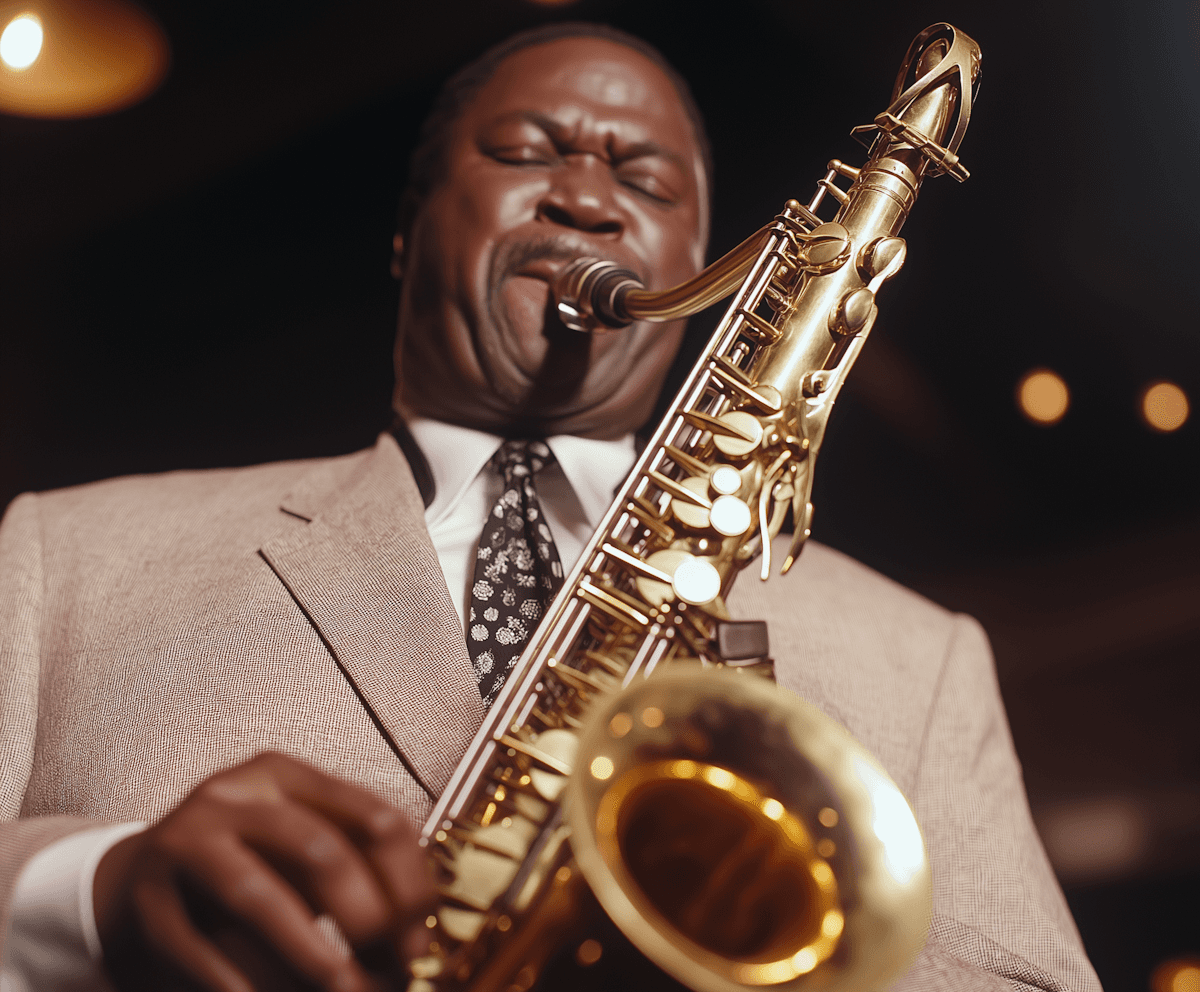
Alignment reads the score. Coherence improvises.
The best teams don't just follow the plan — they sense, adapt, and create together in real time.
Got questions?
Find the answers.
Any more questions?
What kind of leaders do you work with?
CEOs and leadership teams navigating complexity — scaling, transformation, or building resilience under constant change. Leaders who sense that alignment isn't enough and execution feels heavier than it should.
What's the difference between alignment and coherence?
Alignment is when everyone reads the same sheet music — it works until conditions change. Coherence is when your team can improvise together while staying true to shared purpose. Most organizations have alignment on paper and chaos in practice.
What is the TRAVeL Framework?
An integrated operating discipline built on six reinforcing elements: Trust, Relationships, Accountability, Value Creation, Performance Excellence, and Long-Term Growth. Connected by the After-Action Review. Not a rigid model — a living approach to building resilient organizations.
What is the Performance Field?
The invisible environment shaping how people think, decide, and act together. Leaders feel it as flow or friction, speed or drag. We make it visible through leading indicators so you can strengthen conditions before results decline.
How is this different from traditional consulting?
We don't hand you a playbook and walk away. We partner directly with you to build coherence from the inside — working with your team to create the trust, systems, and behaviors that hold under pressure. Think hands-on composer, not outside observer.
Is this just another Agile program?
No. Agile is a delivery methodology. The Adaptive Edge focuses on the enterprise-wide conditions that determine whether Agile — or any operating model — actually works at scale. It explains why Agile succeeds in some organizations and fails in others.
Where do you start?
Small and real. A Performance Field Diagnostic applied to a specific context where execution feels heavier than it should. Low-risk, reversible, no commitment to a large transformation.
How long does it take to see impact?
Often sooner than expected. The work focuses on leading indicators — decision speed, dialogue quality, alignment under pressure — so leaders notice improvements before traditional metrics change.
Do you work with individuals or teams?
Both. Coherence starts with leadership, so we often begin with CEOs directly. But lasting change requires the whole team — so we work with leadership teams to embed coherence into how people actually work together, not just how they plan.
Is this right for organizations in crisis?
Often, yes. Crisis reveals the gap between alignment and coherence. We help leaders stabilize by rebuilding trust and clarity fast — then design systems that prevent the next fracture. Pressure is where coherence matters most.
How do you measure progress?
Leading indicators: decision cycle time, escalation frequency, rework loops, meeting density relative to decisions, leadership time coordinating versus enabling. These move before financial results do.